48 hr
Delphi and Meteora 2-Day Guided Tour from Athens
- Expert local guide
- Small group
- Skip-the-line access
- Free cancellation
Day Trip to Delphi and Meteora From Athens — Multi-Day Guided Journeys
Two UNESCO heritage sites in one departure, rock monasteries and ancient oracle.
Compare fares, pick the fit — all bookings are mobile-voucher and eligible for free cancellation where shown.
48 hr
72 hr
48 hr
| Experience | From | Duration | Rating | Skip-the-line | Guide | Small group | Price | |
|---|---|---|---|---|---|---|---|---|
|
Guided Experience
Most popular
Delphi and Meteora 2-Day Guided Tour from Athens
|
Athens | 48 hr | ★ 4.5 | ✓ | ✓ | ✓ | €243 | Book → |
|
Guided Experience
3-Day Meteora & Delphi Adventure from Athens
|
Athens | 72 hr | ★ 4.6 | ✓ | ✓ | ✓ | €290 | Book → |
|
Guided Experience
Delphi & Meteora Two-Day Journey from Athens
|
Athens | 48 hr | ★ 4.4 | ✓ | ✓ | ✓ | €230 | Book → |
Worth it if you split the logistics
A day trip to delphi and meteora from athens compresses two UNESCO sites and 800 km of driving into one exhausting push—most multi-site tours run 13–15 hours with under 90 minutes at the monasteries themselves. The 5 EUR conservation fee per monastery is modest, but the real cost is the road time: Meteora sits 350 km north of Athens, Delphi another 230 km west. Single-day itineraries like the Thermopylae, Meteora & Delphi option sacrifice depth for checklist completion. Two-day formats—the Delphi and Meteora 2-Day Guided Tour or the 3-Day Meteora & Delphi Adventure—let you witness the rock pinnacles at sunrise, explore multiple monasteries without sprinting, and absorb the Byzantine frescoes that define the site. For photographers and anyone seeking more than a windshield view of Kalabaka's clifftop hermitages, the overnight structure delivers measurably higher value per euro and per hour invested.
Bottom line: Choose the two-day Meteora and Delphi tour—the single-day sprint trades the experience for a passport stamp.
They complement each other; most visitors who do both call Meteora the more visually dramatic experience, while Delphi serves as the quintessential accessible history tour. Choose between these iconic landmarks based on whether your priority is ancient ruins or Byzantine cliff-top monasteries.
|
Top pick Meteora |
Delphi | |
|---|---|---|
| Location | Thessaly (Central Greece) | Mount Parnassos (Phocis) |
| Distance from Athens | ~350 km | ~180 km |
| Travel Time (One-way) | 4–4.5 hours | 2.5–3 hours |
| Typical Duration | 13–14 hours | 8–10 hours |
| Key Experience | Monasteries on sandstone pillars | Ancient Oracle and sanctuary |
| Monastery Entry Fee | 5 EUR (per monastery) | N/A (Archaeological site entry) |
| Walking Intensity | 200 steps (per monastery) | Moderate (ruins and slopes) |
| Best Arrival | 09:00–11:00 | Early morning to avoid crowds |
| See tickets & prices |
Verdict: For a shorter commitment, book a day trip to delphi and meteora from athens tours if time permits, or opt for a dedicated day trip to delphi and meteora from athens tour to focus on the archaeological depth of the Oracle.
Hand-picked experiences loved by thousands of travelers
14 hours
Free Cancellation
Explore three legendary Greek sites in one epic day: ancient Delphi, clifftop monasteries, and Sparta's battlefield
14 hours
Free Cancellation
Visit all six clifftop monasteries, explore hermit caves, and savor traditional Greek cuisine on this UNESCO site adventure
14 hours
Free Cancellation
Discover ancient clifftop monasteries and hermit caves on this UNESCO-listed day tour with a relaxed 9am start
10 hours
Free Cancellation
Journey to the sacred Oracle site, explore ancient temples and treasures, then visit a charming mountain town
11 hours
Free Cancellation
Journey to the ancient sanctuary of Apollo with a licensed guide and explore legendary ruins and treasures
2 days
Free Cancellation
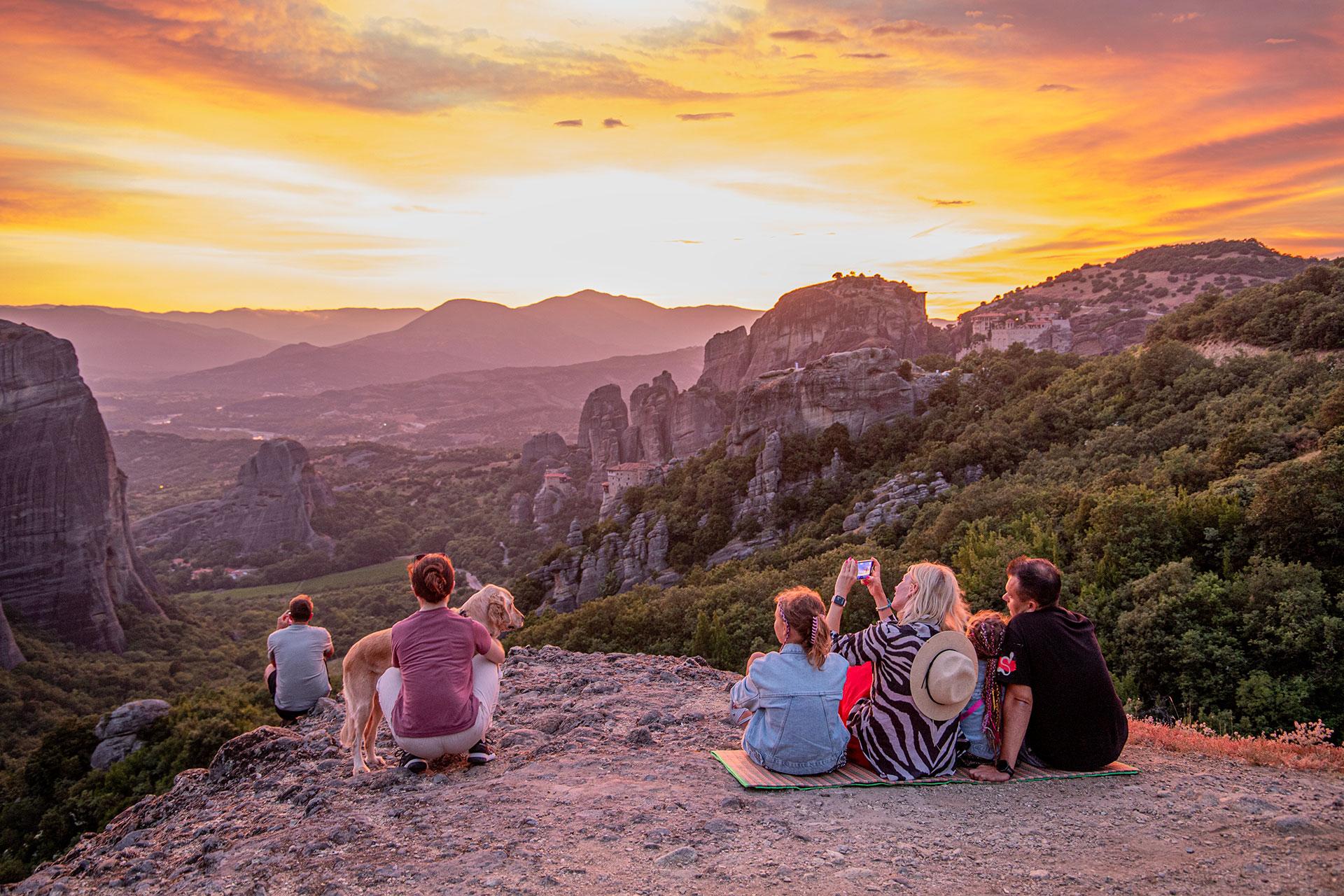
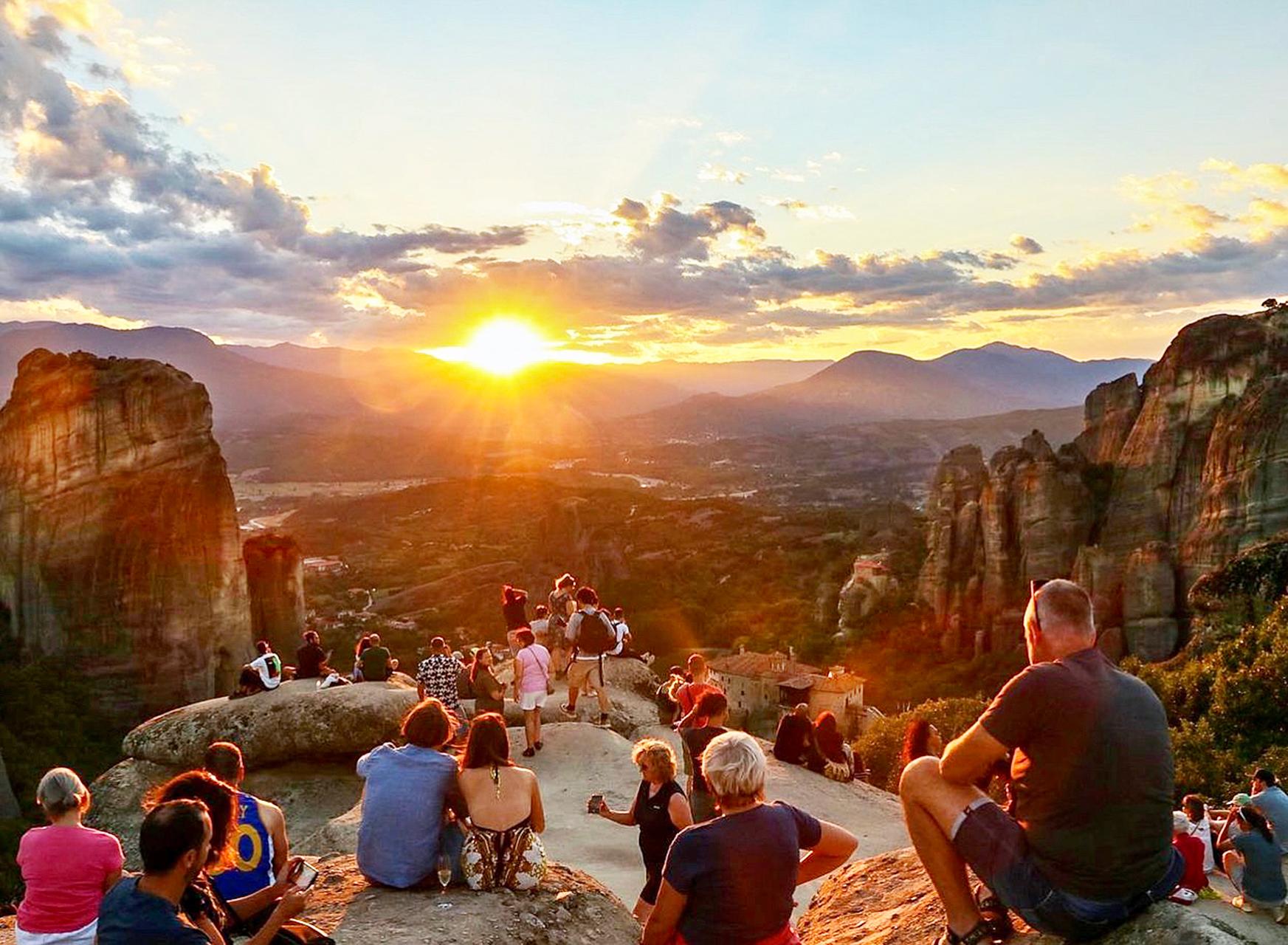
Journey from Athens to explore ancient cliff monasteries, hermit caves, and witness spectacular sunsets over the legendary rock formations
12 hours
Free Cancellation
Journey through ancient Greece from Apollo's sanctuary to the legendary stand of the 300 Spartans
6 hours 30 minutes
Free Cancellation
Explore ancient monuments, world-class museums, and vibrant neighborhoods with your own dedicated guide
Bus drop-off at designated meeting point
Walking the 200 steps to the main entrance
Exploring the main church and museum
Photography from the monastery terrace
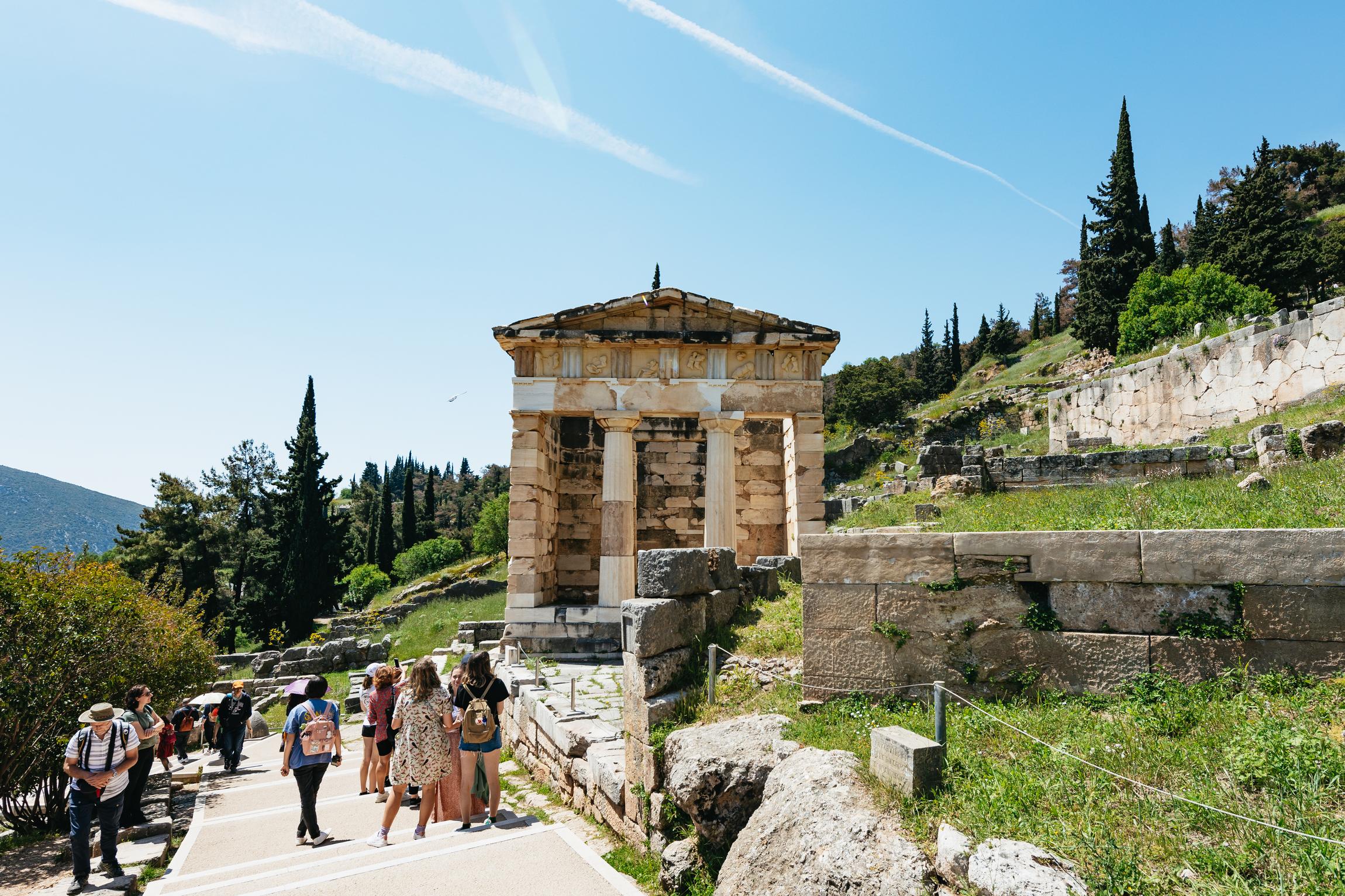
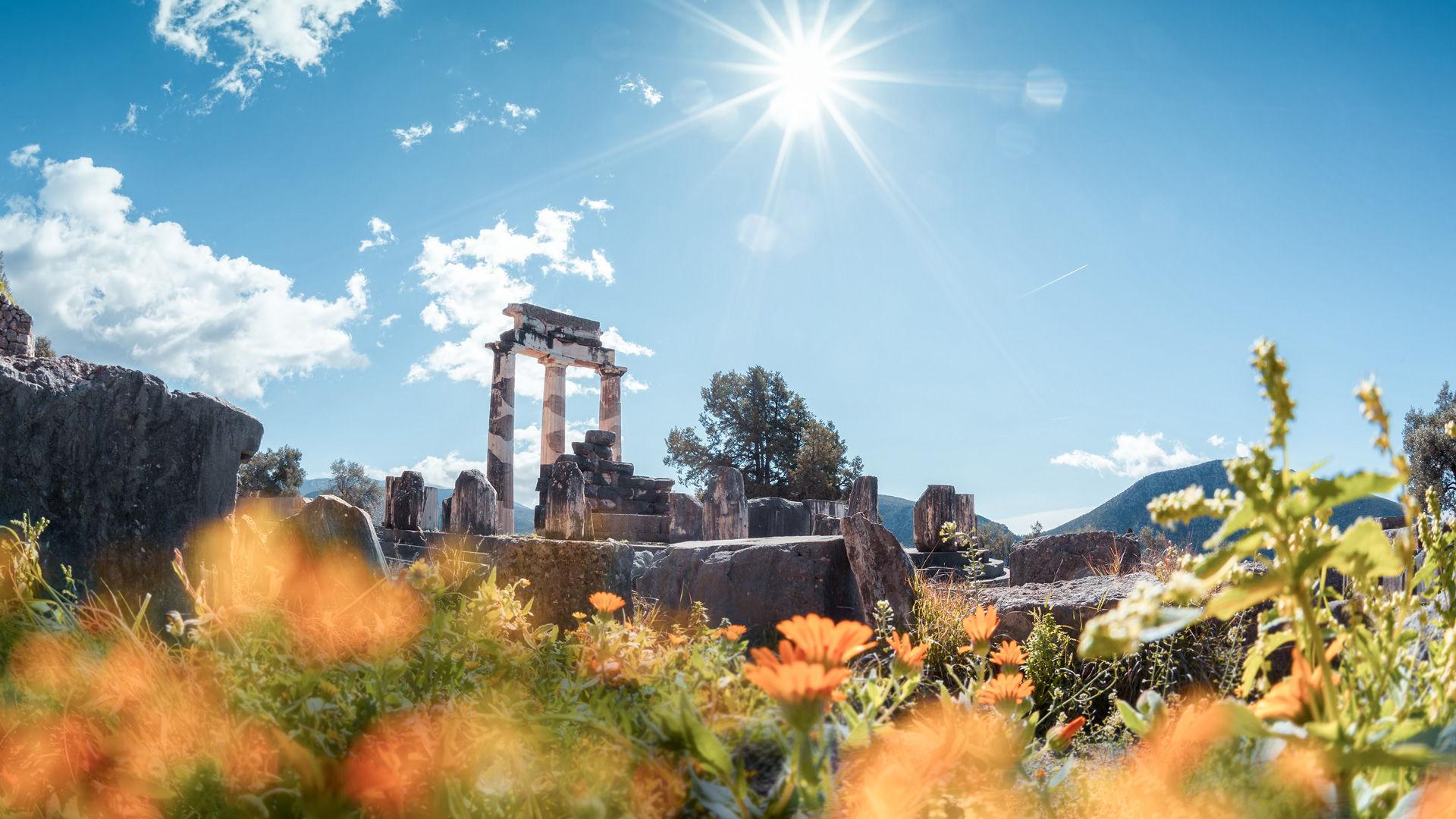
You depart Athens before sunrise, the coach climbing through Boeotia as dawn breaks over Mount Parnassus. Three hours north, Delphi's ruins open at nine — you walk the Sacred Way past the Treasury of the Athenians, its Doric columns reassembled in 1906, and reach the Temple of Apollo by mid-morning.
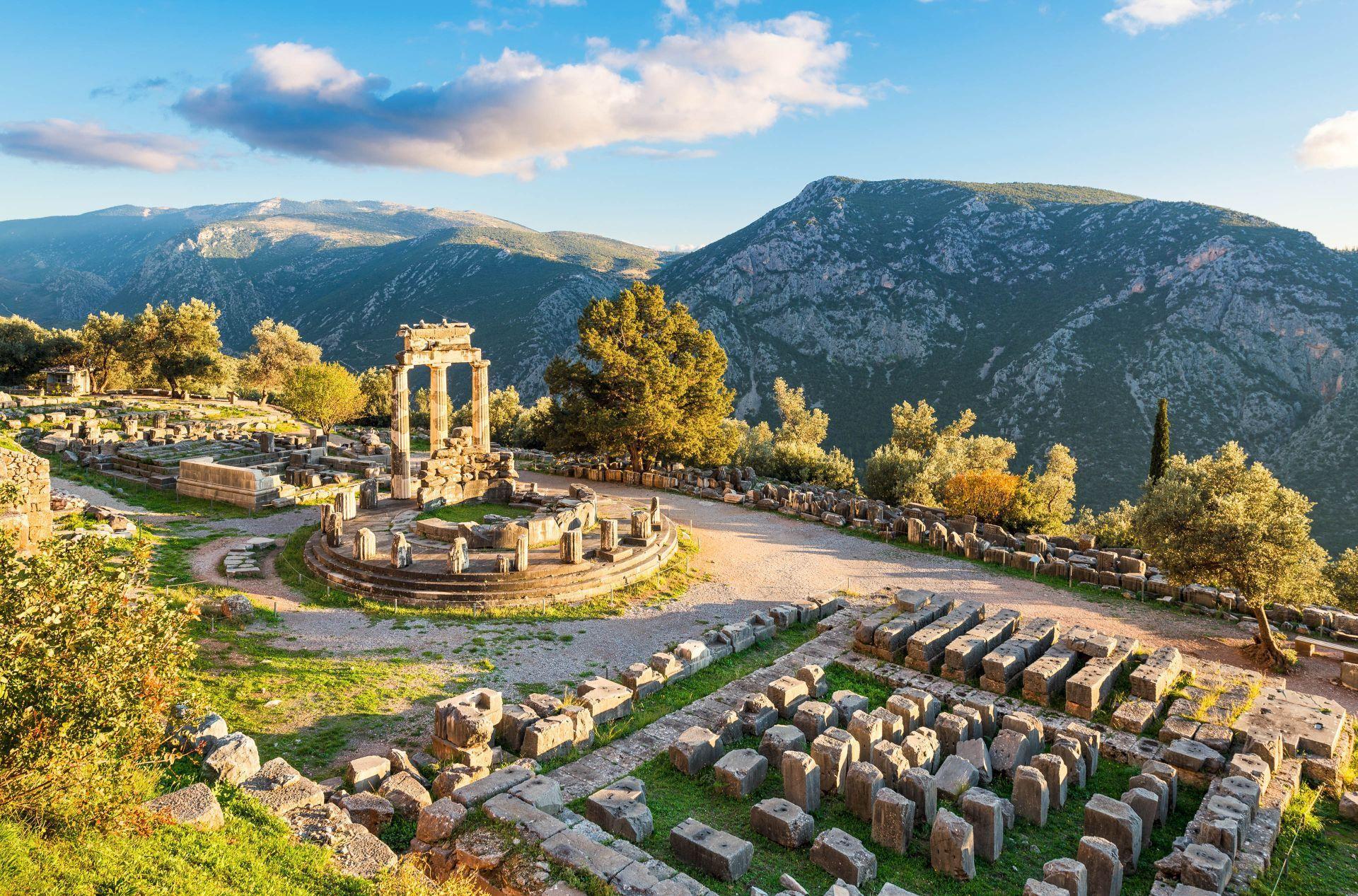
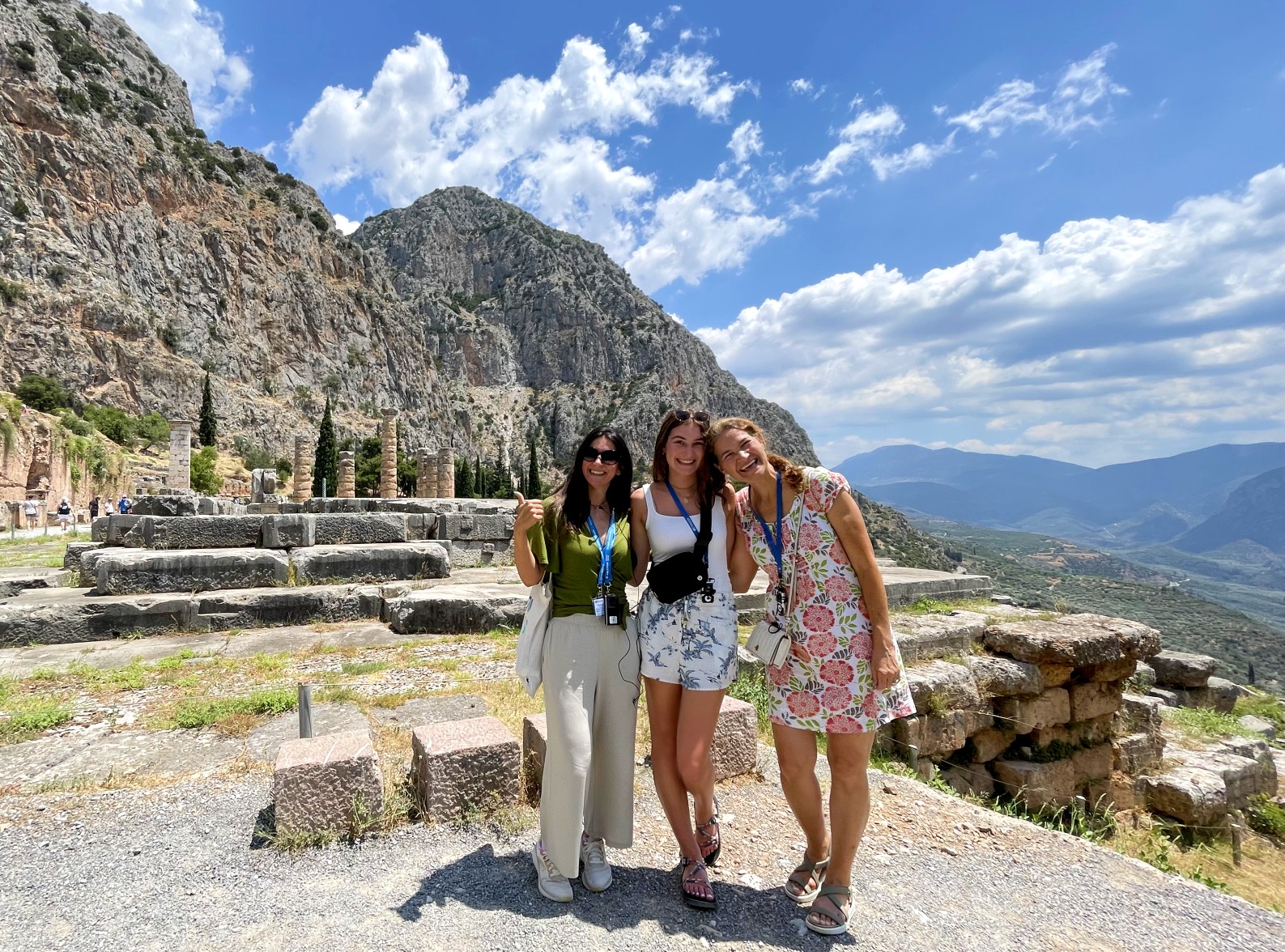
Your guide explains the Oracle's chamber beneath the temple floor, where priestesses inhaled volcanic fumes and delivered prophecies that shaped Mediterranean politics for centuries. The theatre sits higher still, its limestone benches overlooking olive groves that stretch to the gulf.
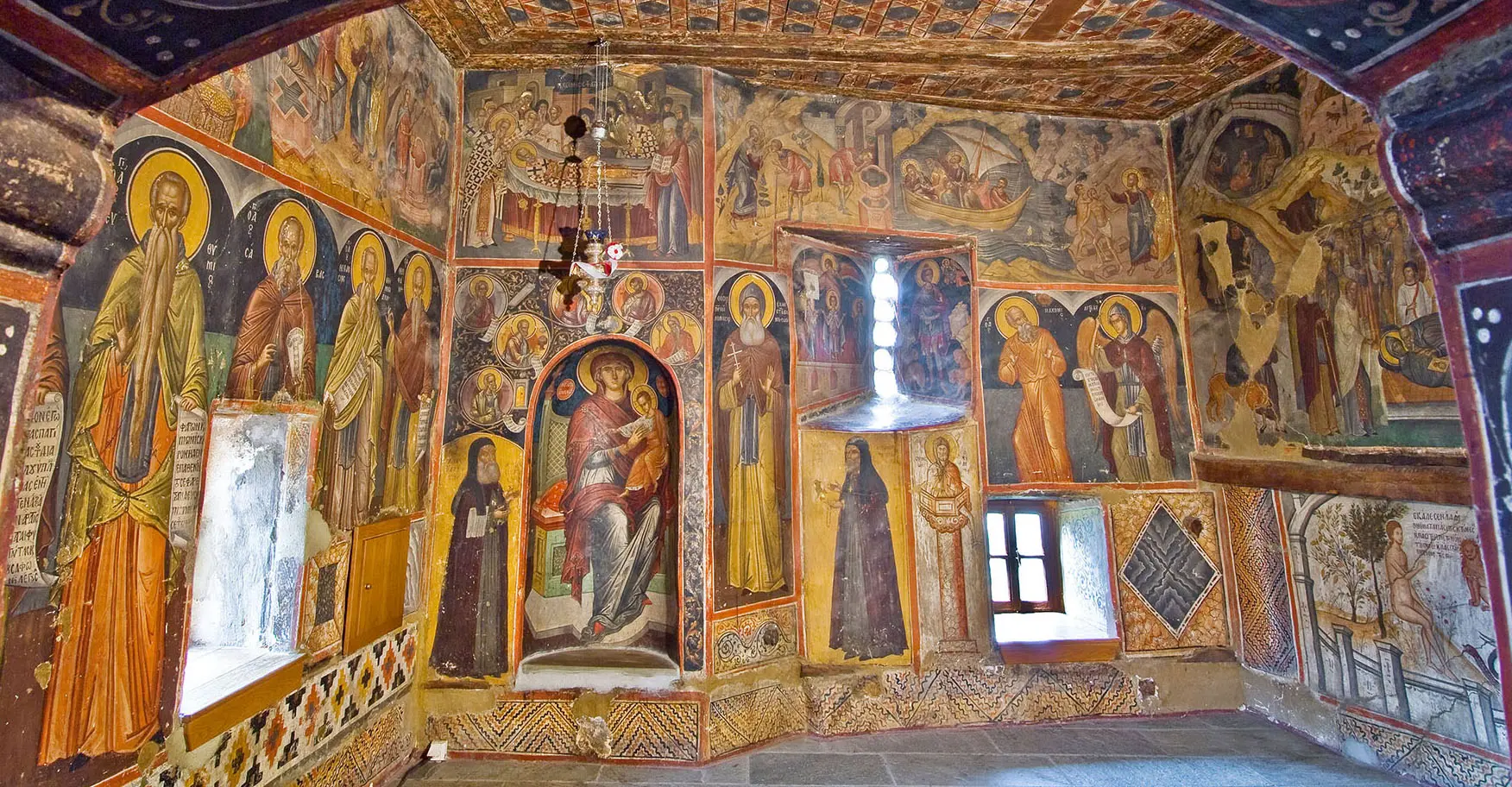
After lunch in the modern village, the coach turns north through the Pindus foothills. Meteora's rock towers appear four hours later, their monasteries silhouetted against the late-afternoon sky. You overnight in Kalabaka, the town at the base of the formation. Morning brings a winding ascent to the Great Meteoron, the largest monastery, where you climb 200 stone steps to reach the courtyard. Inside, sixteenth-century frescoes cover every surface — saints, angels, and scenes of martyrdom rendered in ochre and lapis. You visit a second monastery before noon, then begin the return to Athens, arriving after dark. The circuit covers more than 700 kilometres over two days.
All the details about your upcoming adventure in one place
The Oracle of Apollo fell silent in the fourth century, but Delphi's stone theatre and Treasury of the Athenians still occupy the southern slopes of Mount Parnassus, 180 kilometres northwest of Athens.
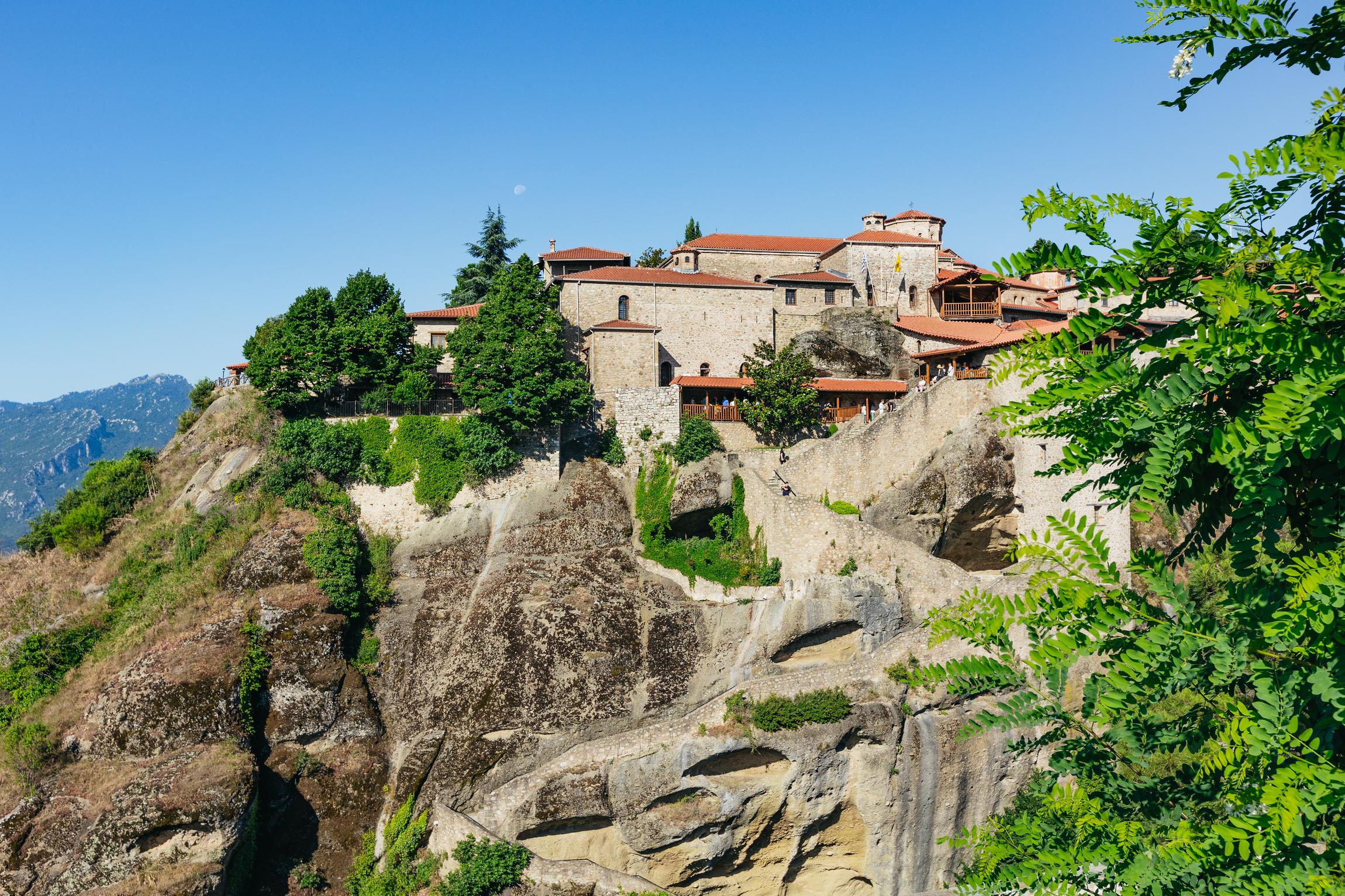
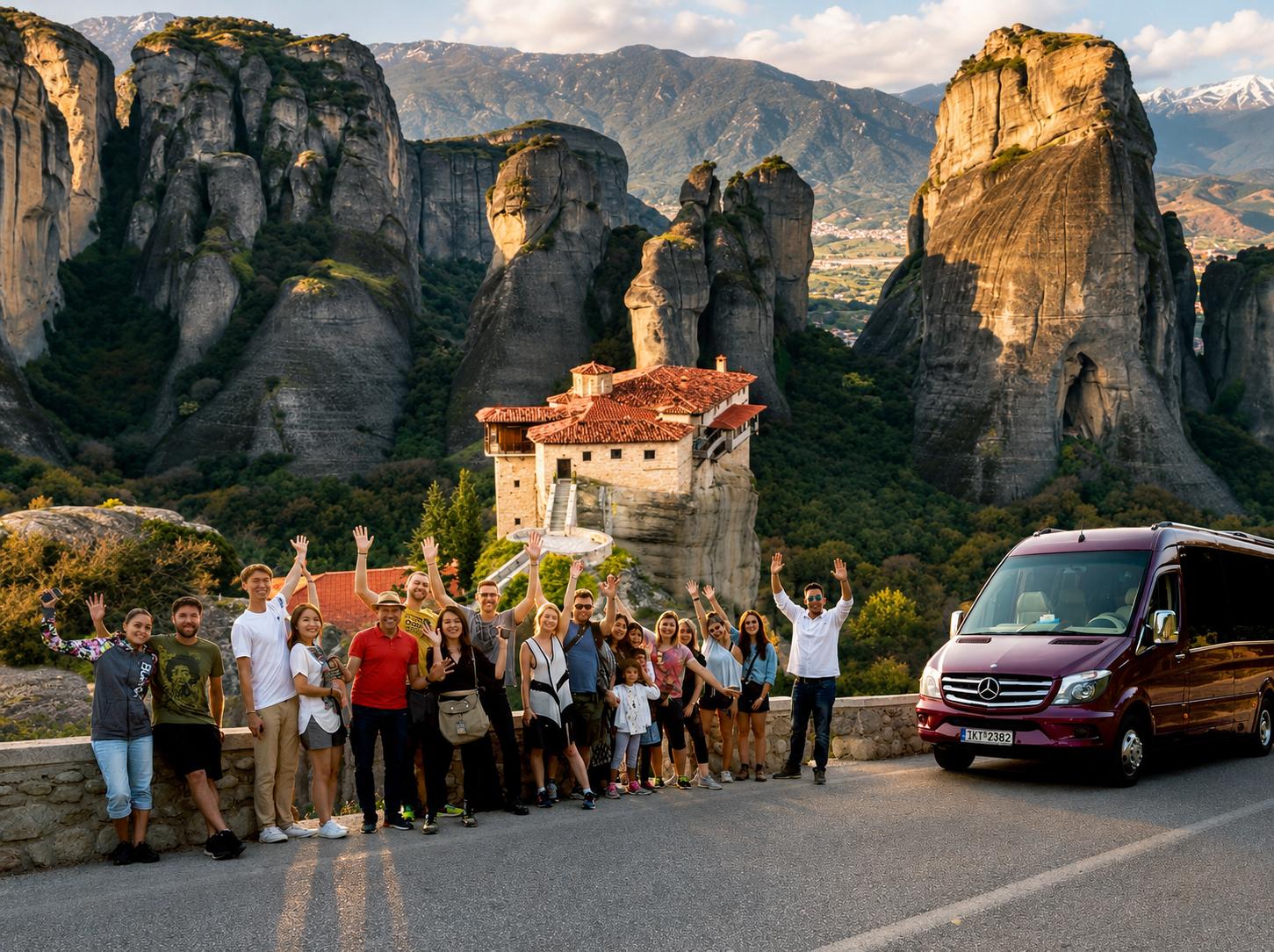
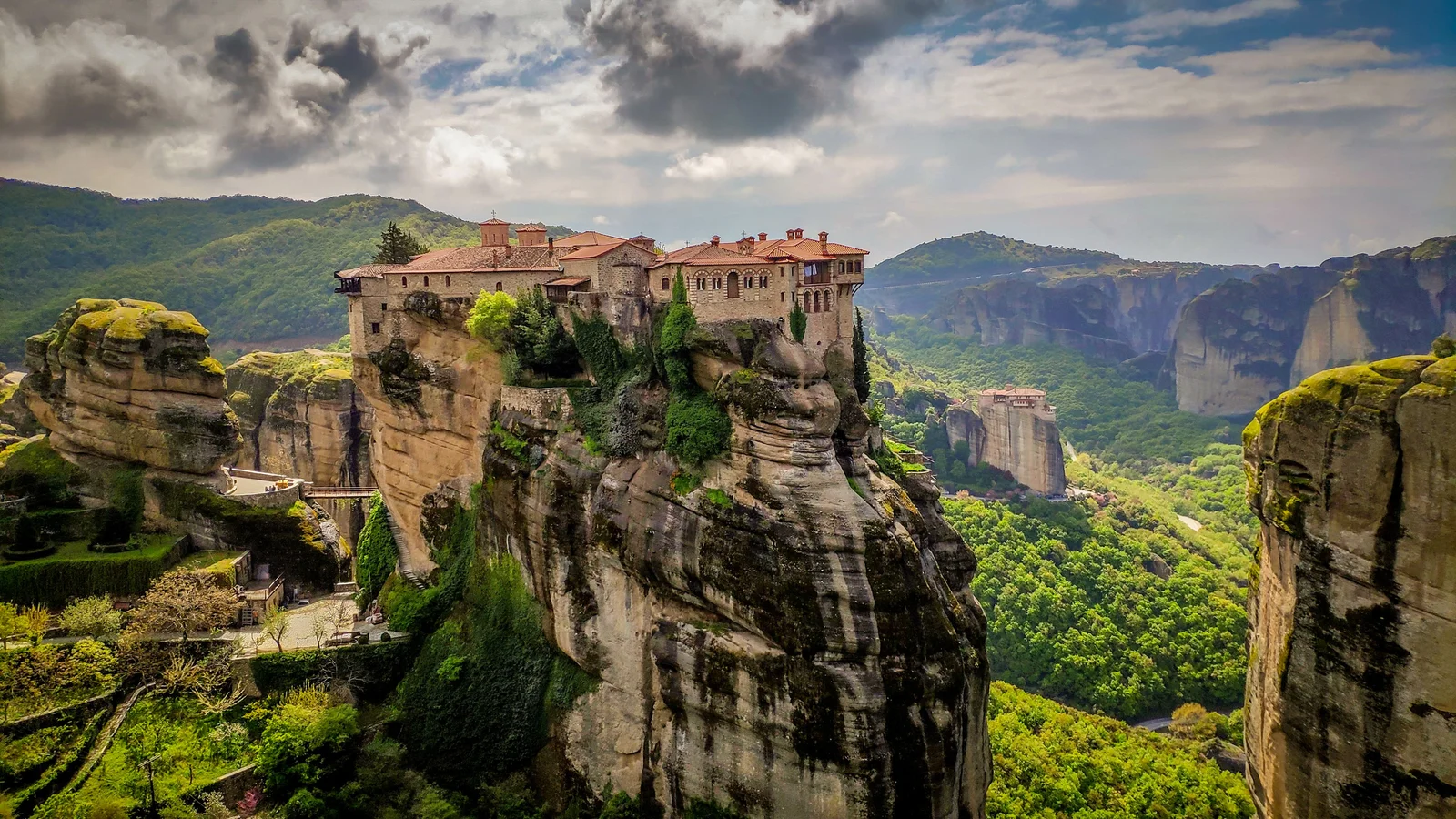
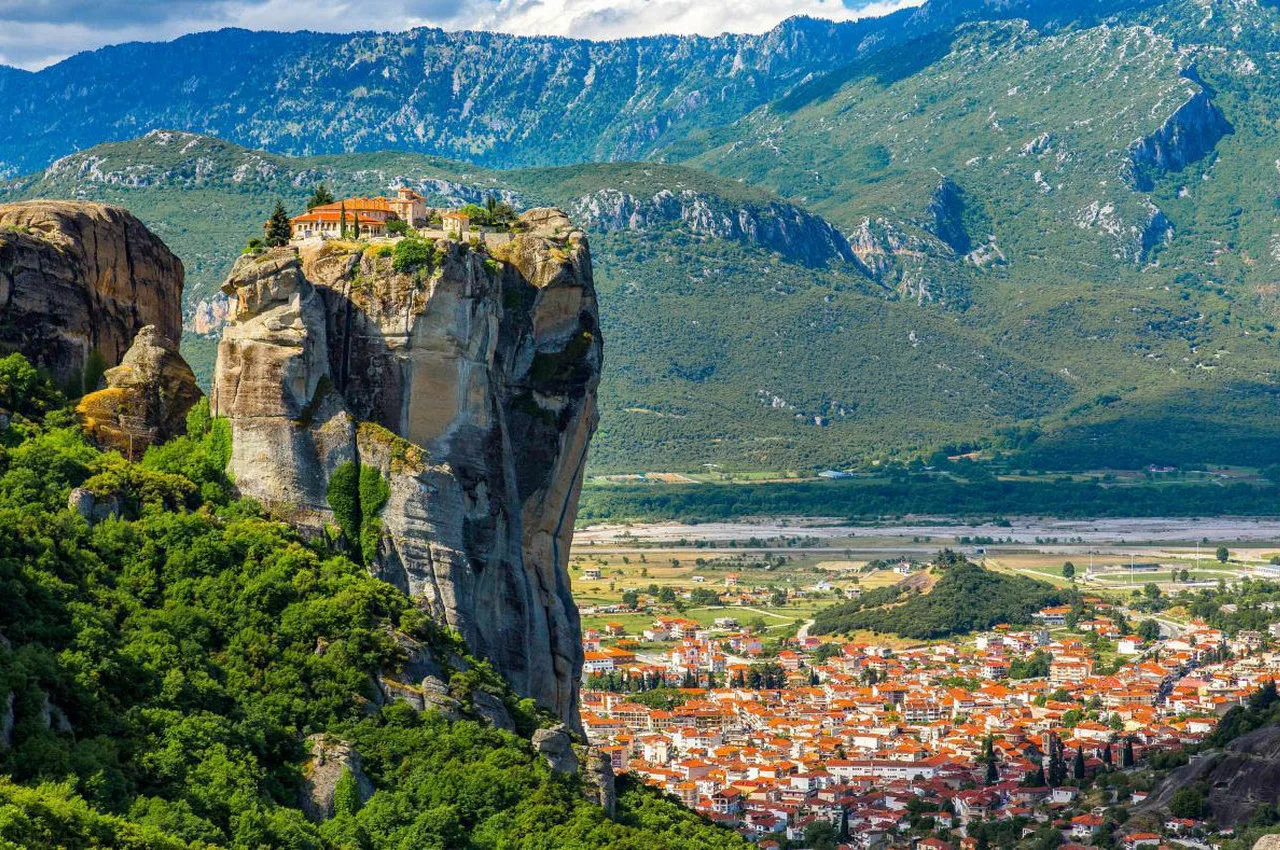
Six active monasteries perch atop the sandstone pillars of Meteora, 350 kilometres north of the capital, their frescoed interiors accessible by staircases carved into vertical rock faces in the fourteenth century. A day trip to Delphi and Meteora from Athens is a misnomer — the 530-kilometre circuit cannot be completed in daylight hours — but two-day and three-day guided excursions pair the sites in a single departure, often adding the battlefield pass at Thermopylae as a third stop.
Delphi served as the spiritual centre of the ancient Greek world for a thousand years, its priestesses delivering cryptic prophecies to city-states and kings. The sanctuary complex spreads across three terraces: the Sacred Way climbs past votive monuments to the Temple of Apollo, where ethylene gas seeping through limestone fissures may have induced the Oracle's trance states. Above the temple, a fourth-century BC theatre seats five thousand spectators with sightlines across the Pleistos valley to the Gulf of Corinth. The adjoining museum holds the Charioteer of Delphi, a life-size bronze from 478 BC with inlaid glass eyes and copper lips.
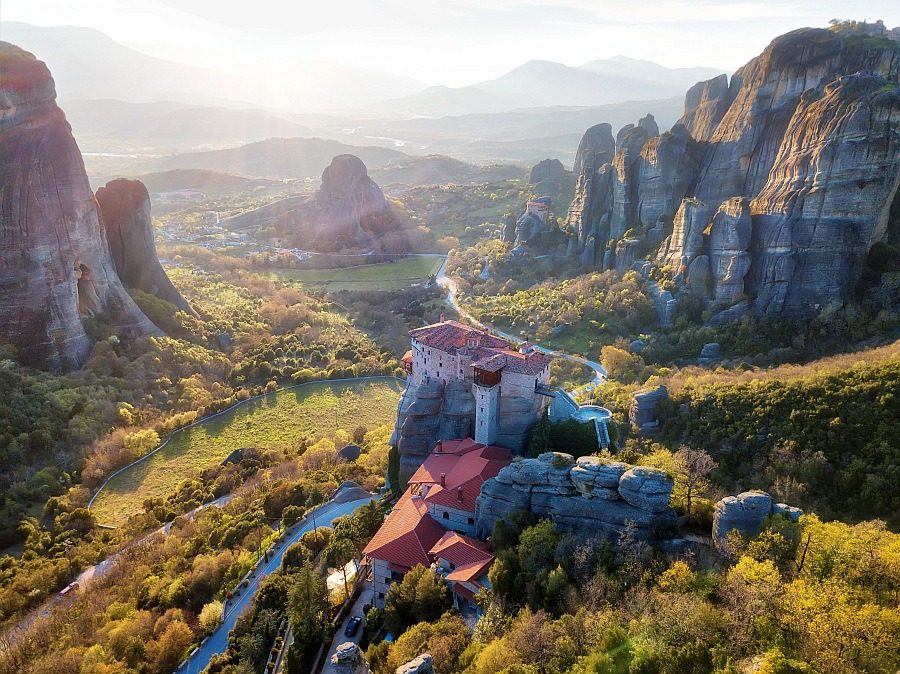
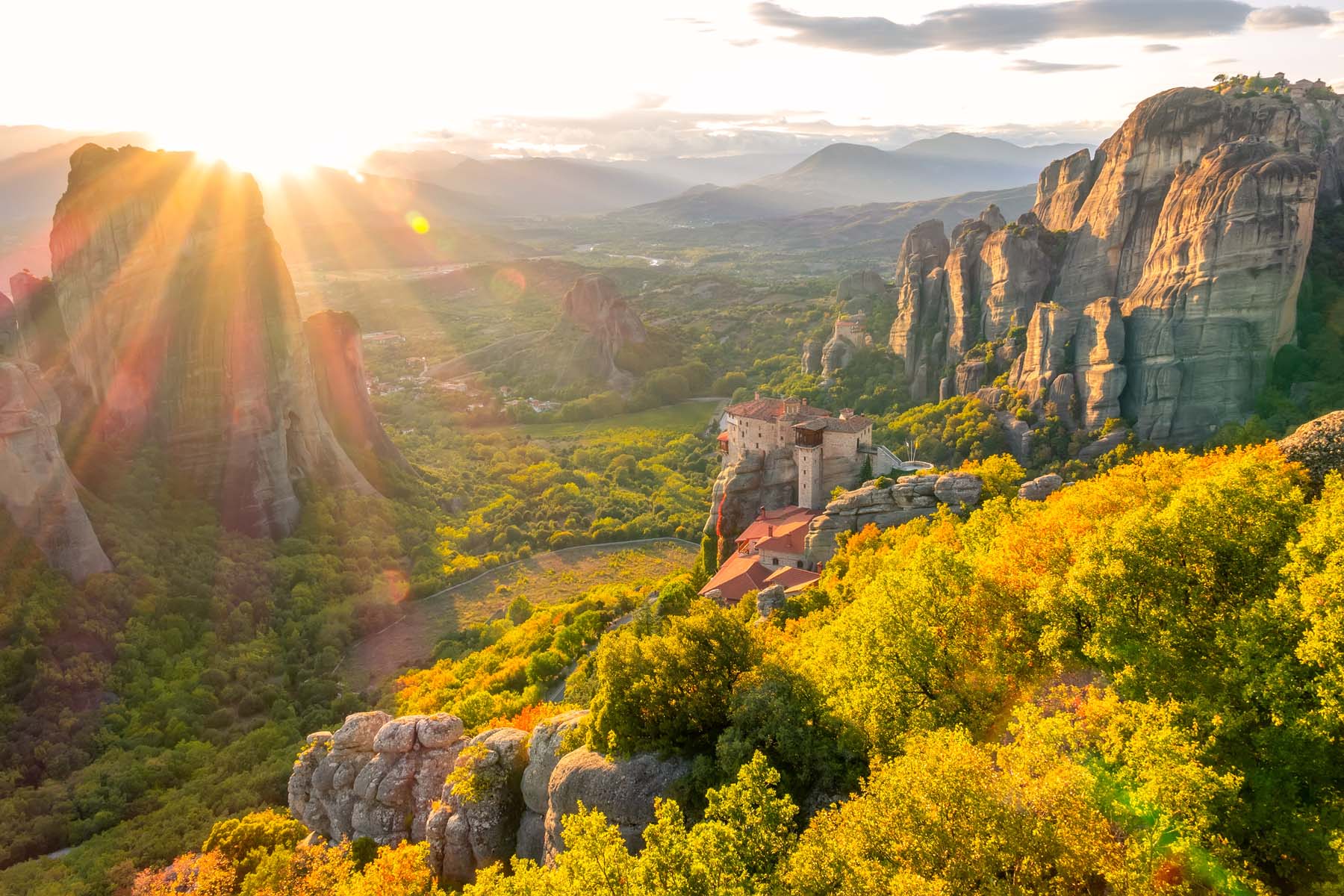
Meteora's monasteries began as hermit caves in the tenth century. Byzantine monks hoisted building materials by rope and basket to construct six surviving monasteries between 1356 and 1545, seeking refuge from Ottoman expansion. The Great Meteoron and Varlaam monasteries preserve sixteenth-century frescoes of martyrdoms and Last Judgements, their katholikons lit by narrow windows cut through metre-thick walls. Each monastery levies a five-euro conservation fee. Stone steps now replace the rope ladders — the Great Meteoron requires 300 steps, Varlaam 195 — but the verticality remains. Multi-day tours from Athens typically allocate four hours at Meteora, enough time to visit two or three monasteries, and three hours at Delphi, covering the sanctuary and museum before the afternoon closure at five o'clock.
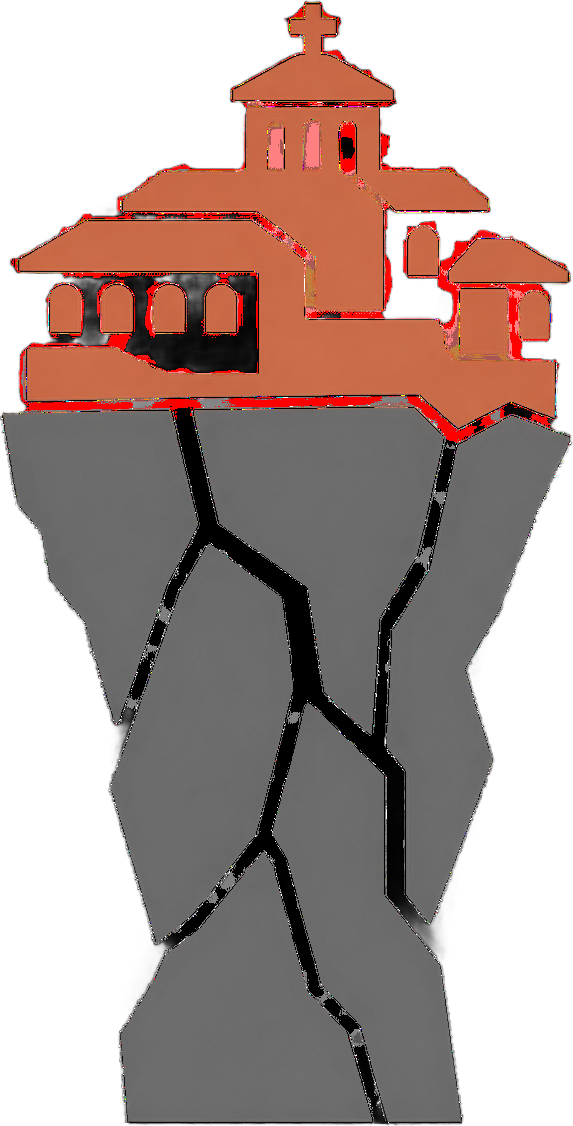
Six active monasteries perch atop sandstone pillars, their frescoed interiors accessible by staircases carved into vertical rock in the fourteenth century.
Visitors must cover shoulders and knees to enter the monasteries. Men should wear long trousers, and women should wear long skirts or dresses that cover the knees.
Large backpacks are generally discouraged due to narrow stairways. There are no secure lockers available for personal items at the monastery entrances.
Photography is permitted in the courtyards and external areas. Filming or taking photos inside the main church of the monastery is strictly prohibited.
Children are welcome but must be supervised at all times due to the exposed cliffside paths. Strollers are not practical for the stone stairs and paths.
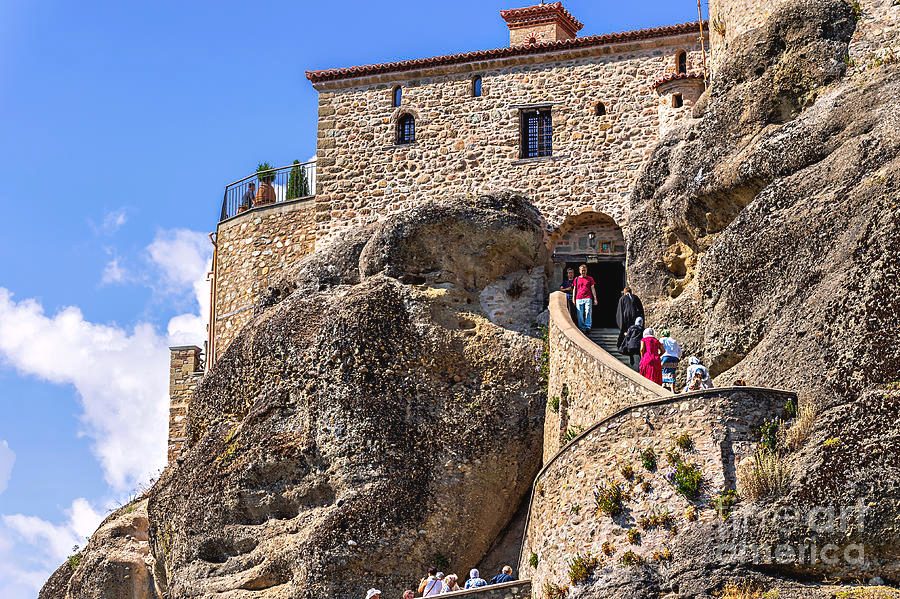
Access involves 200 steep steps carved into the rock, which may be challenging for those with mobility concerns. There are no elevators or ramps available at the historic sites.
No food or drinks are sold within the monastery grounds. Visitors should bring water, as there are limited facilities on the upper rock levels.
Opening Hours
09:00–17:00
Address
Kalabaka 422 00, Greece
Access Requirements
200 steps to reach the main entrance
Arrival Recommendation
09:00–11:00
Storage
Not available on-site
Navigation
Follow signs from Kalabaka town center
Public transport · 05:00 · Moderate cost
KTEL bus service connects Athens to Kalabaka directly.
Car · 04:30 · Variable fuel costs
Follow the A1 highway north to Lamia and then turn toward Kalabaka.
Full refunds are provided for cancellations made at least 24 hours in advance. Refunds exclude the 5 EUR conservation fee if already processed by the monastery.
Recommended time
Half a day
Planning a day trip to delphi and meteora from athens requires efficient pacing to navigate the 200 steps at each site while managing energy levels. Arriving during the 09:00–11:00 window helps you bypass the largest tour bus groups that cluster near the Byzantine architecture and rocky cliffs. Utilize day trip to delphi and meteora from athens tours to streamline logistics, though independent travelers benefit from adjusting their pace based on real-time foot traffic.
Crowd levels through the day
Weather · crowds · average price — dots go green to amber to red as each metric rises.
Mild temperatures and blooming landscapes make this an ideal time for a day trip to Delphi and Meteora from Athens.
Expect hot weather and larger crowds; arrive early to avoid mid-day heat during your day trip to Delphi and Meteora from Athens.
Cooler air and golden light provide excellent conditions for a day trip to Delphi and Meteora from Athens.
Meteora can be covered in mist or snow, offering a unique atmosphere for a day trip to Delphi and Meteora from Athens.
Plan your visit to the monasteries on weekdays to experience fewer crowds on your day trip to Delphi and Meteora from Athens.
Ensure you have exact change for the 5 EUR conservation fee for your day trip to Delphi and Meteora from Athens.
Temperatures can shift, so wear layers for your day trip to Delphi and Meteora from Athens.
Use sturdy grip-soled shoes as the stone stairs can be slippery during a day trip to Delphi and Meteora from Athens.
The best arrival window is 09:00–11:00 for a day trip to Delphi and Meteora from Athens.
The rock pillars of Meteora first attracted hermits in the 11th century, when ascetics seeking isolation from the secular world climbed into natural caves and fissures to pray. By the early 14th century, these solitary monks began building communal monasteries atop the sandstone peaks. In 1344, the monk Athanasios Koinovitis established the Great Meteoron, the oldest and largest monastery, after fleeing Mount Athos during Serbian invasions. Construction required hauling stone, timber, and frescoes up vertical cliffs using rope baskets and windlasses, a process that took decades. The monastic community expanded rapidly under Ottoman rule, when the inaccessible heights offered both spiritual retreat and physical refuge. By the 16th century, twenty-four monasteries crowned the pinnacles, each housing libraries, refectories, and chapels adorned with post-Byzantine frescoes. The ascent remained treacherous for centuries. Until the 1920s, monks and pilgrims reached the summits only by rope ladders or nets hauled by winch, replaced according to divine will rather than fixed schedule. Stone staircases were carved into the rock faces between 1922 and 1925, opening Meteora to broader pilgrimage and study. German occupation during World War II brought looting of manuscripts and treasures, though resistance fighters used the monasteries as hideouts. By the mid-20th century, monastic life had declined sharply; only four monasteries remained inhabited by 1960. UNESCO inscription in 1988 catalyzed restoration of frescoes, structural reinforcement, and the establishment of conservation fees to fund ongoing preservation. Today six monasteries welcome visitors—Great Meteoron, Varlaam, Rousanou, St. Nicholas Anapausas, St. Stephen, and Holy Trinity—each charging a five-euro entry. Modern visitors booking a day trip to delphi and meteora from athens encounter the same sandstone towers and Byzantine art that sheltered monks for seven centuries, now accessed by paved roads and two hundred steps rather than fraying rope.
Hermit monks settle in Meteora's natural caves seeking ascetic isolation
Athanasios Koinovitis founds Great Meteoron monastery atop the highest pinnacle
Twenty-four monasteries operate across the rock towers, housing libraries and Byzantine frescoes
Stone staircases replace rope ladders, making the summits accessible to pilgrims
German occupation forces loot manuscripts while Greek resistance fighters use monasteries as hideouts
Monastic population declines sharply, with only four of twenty-four monasteries still inhabited
UNESCO inscribes Meteora as a World Heritage Site, spurring fresco restoration and infrastructure upgrades
Six active monasteries welcome day trip to delphi and meteora from athens tours, charging five euros per person for conservation
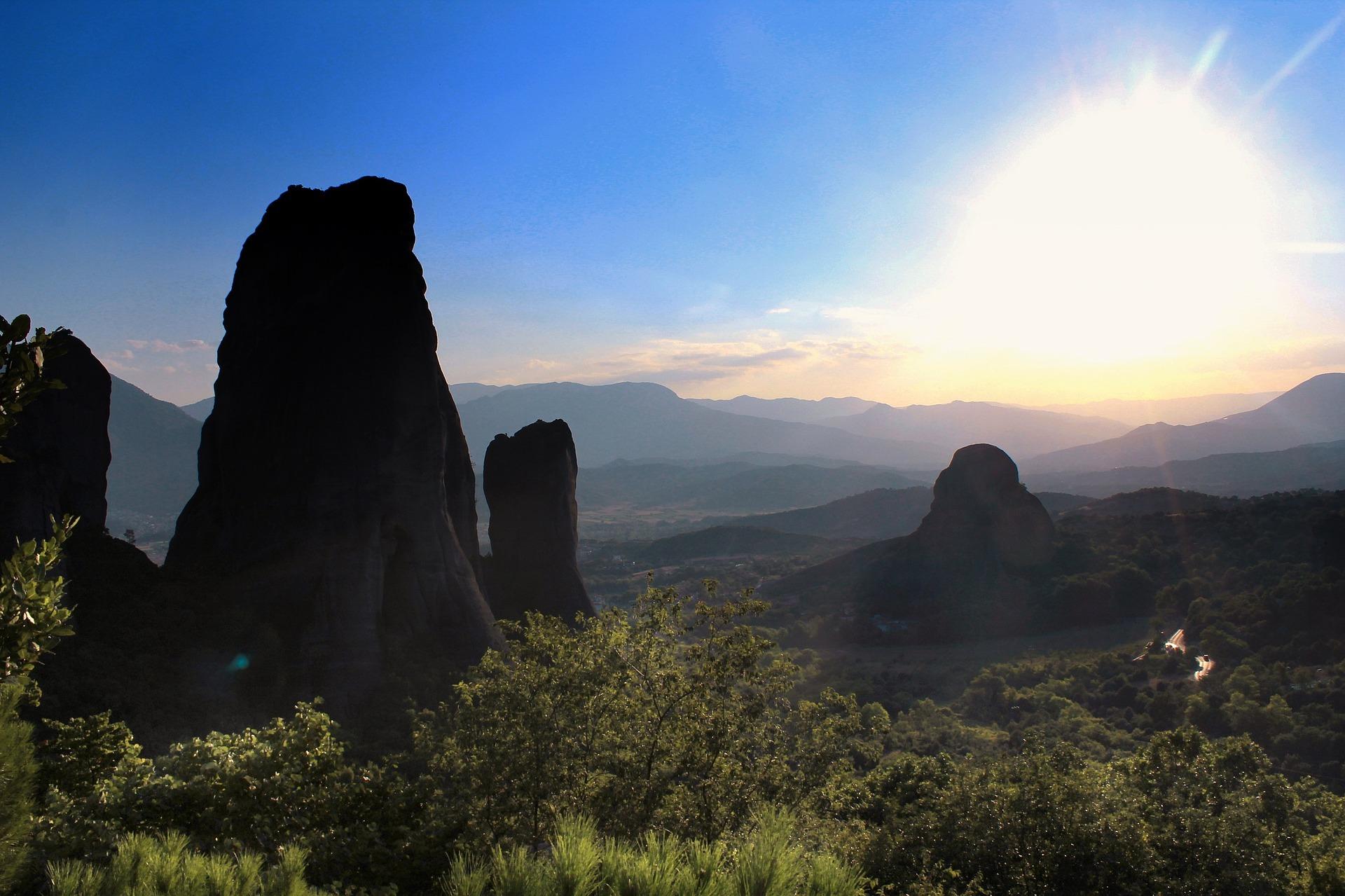
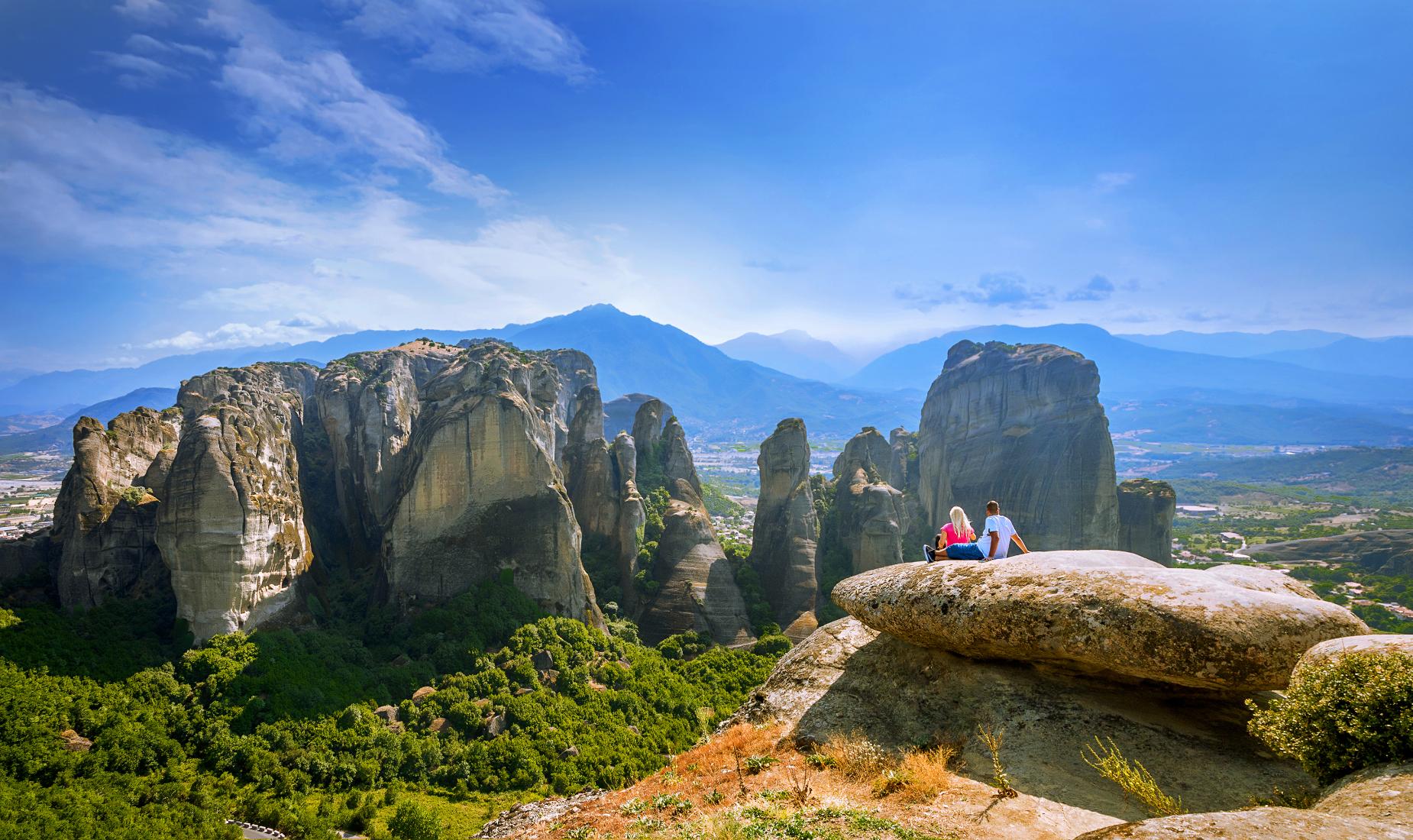
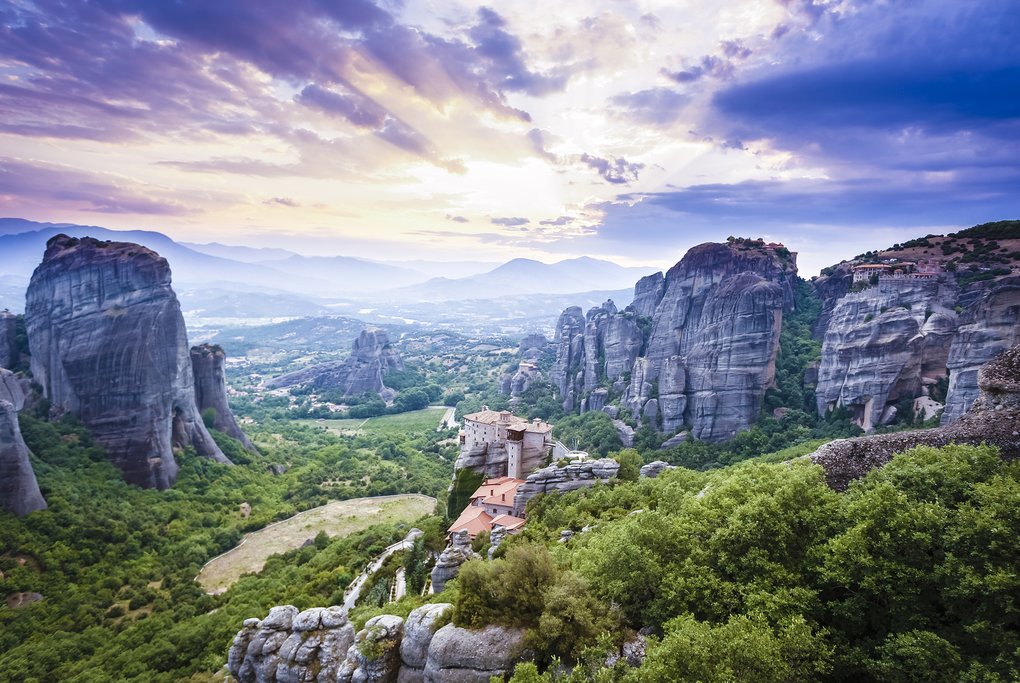
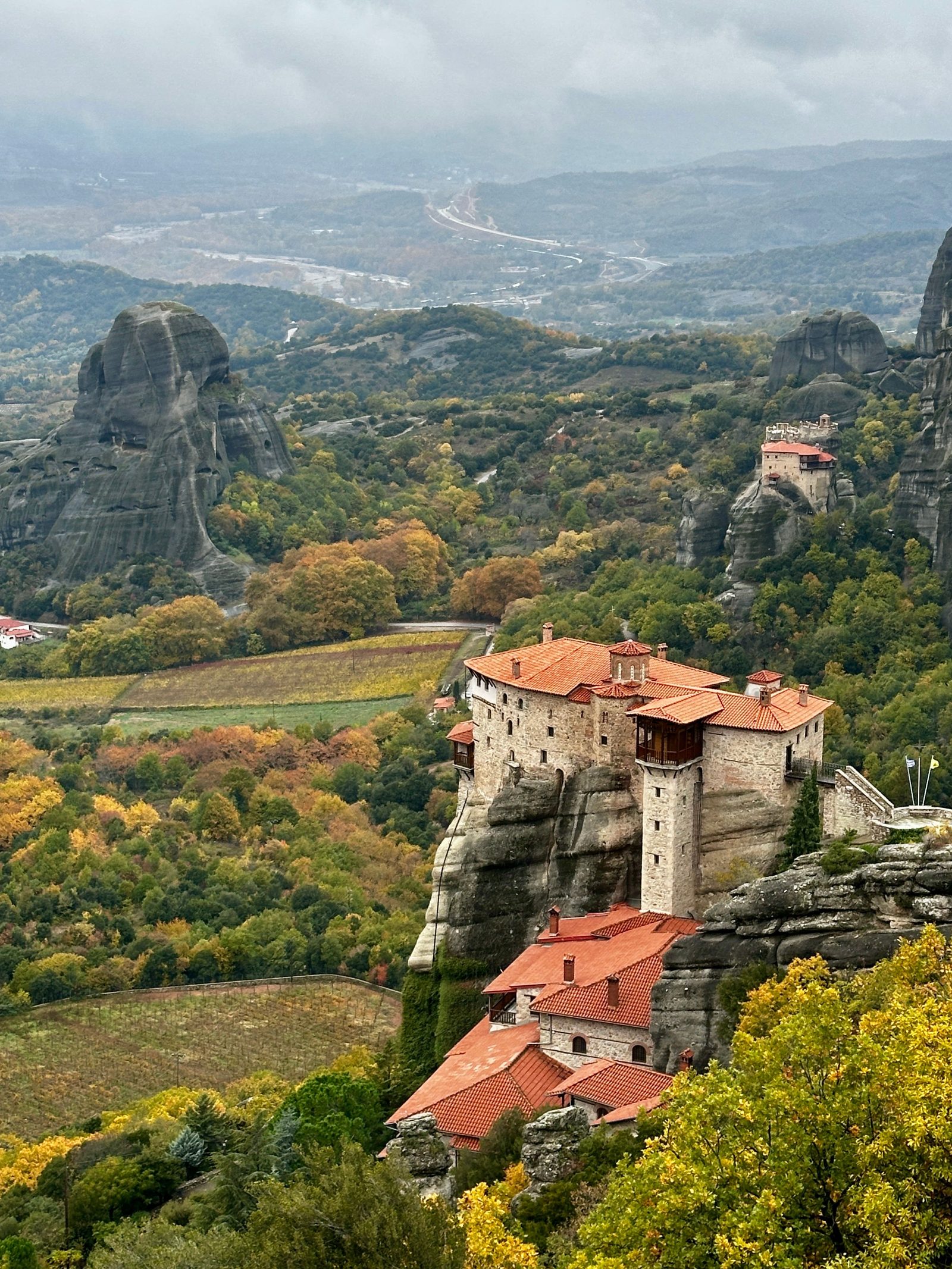
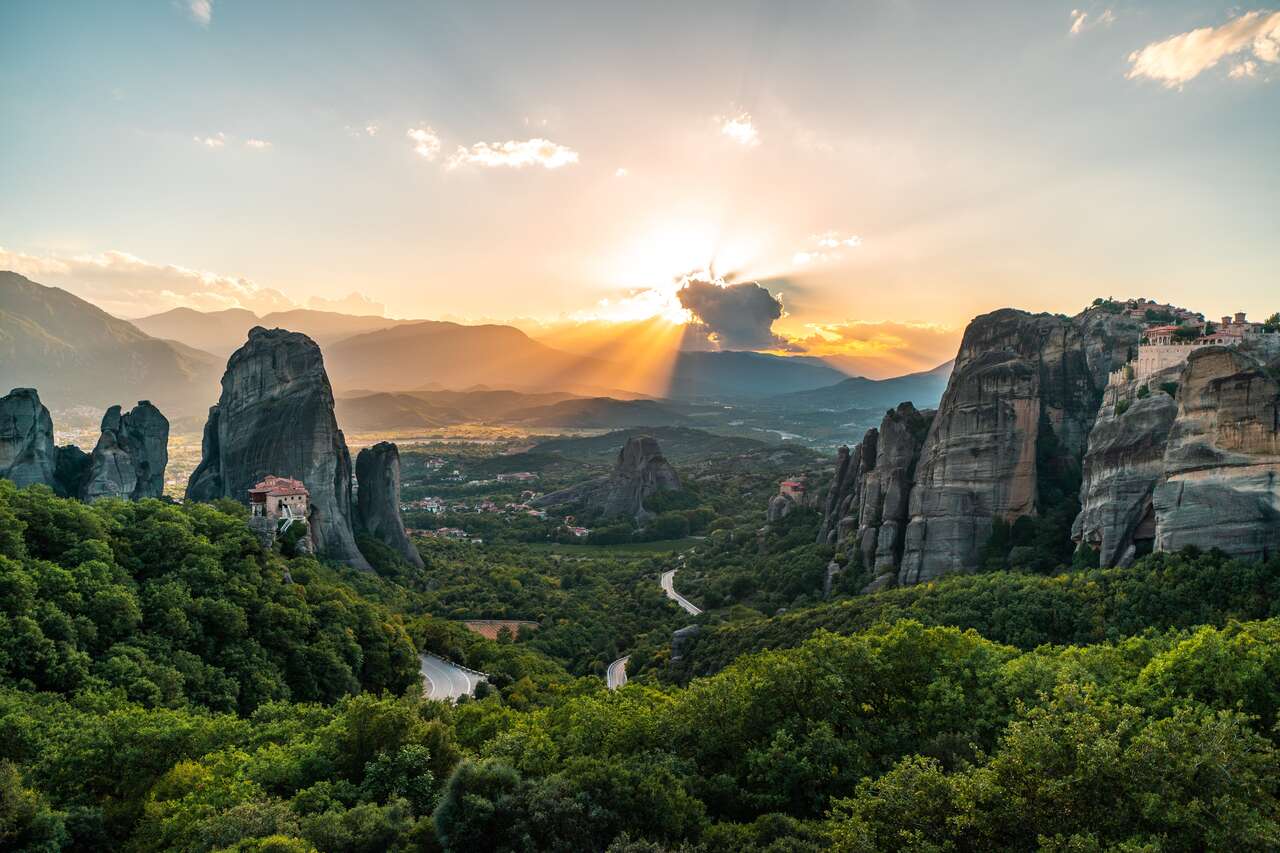
Stand at this elevated rocky outcrop for a panoramic view of the sandstone pillars and the monastery of Great Meteoron. It offers the most distinct vantage point for those on a day trip to Delphi and Meteora from Athens.
Position yourself on the main road turn-off to capture the verticality of the convent rising from the cliff face. This angle highlights the geology of the UNESCO heritage site against the vast valley below.
Known locally as Agia, this flat plateau provides a wide-angle frame for the complex of rock formations. Visitors often gather here during day trip to delphi and meteora from athens tours to watch the light change over the landscape.
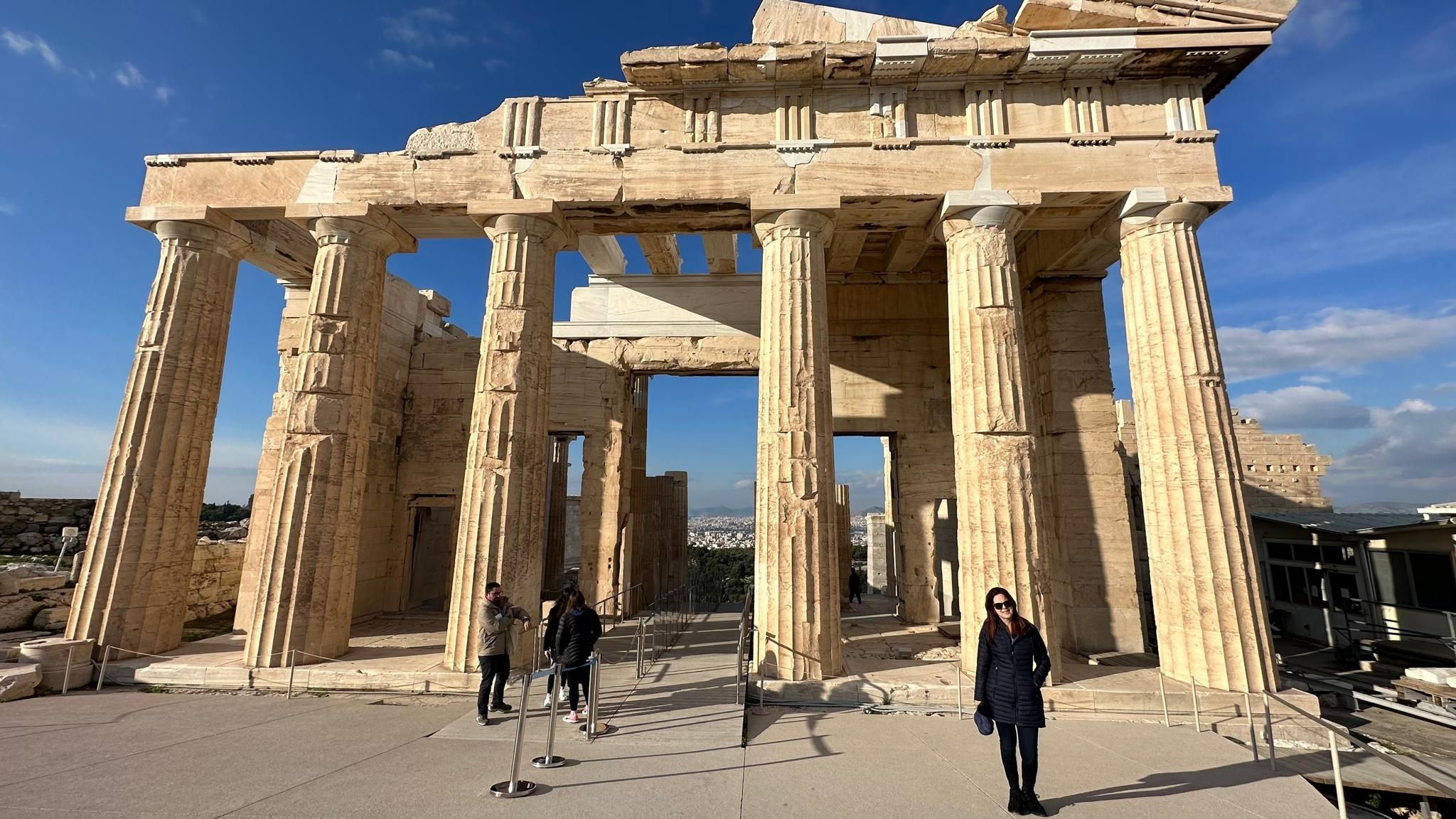
Capture the stone archways and ancient masonry leading into the largest site in the region. This spot is popular for those seeking skip-the-line Meteora tours who want a closer look at the historic architecture.
Exploring this site during a day trip to delphi and meteora from athens offers children a chance to see massive sandstone pillars and ancient monastic life. It requires preparation to navigate the elevation and terrain comfortably with young explorers.
Strollers are not practical due to the 200 steps required for access and the uneven stone paths found throughout the complex. Carriers are essential for navigating these historic UNESCO heritage sites with infants or toddlers.
This experience is best suited for children aged 7 and older who can manage the steep climb and engage with the Byzantine architecture. If you are looking for day trip to delphi and meteora from athens tours, verify that the activity level matches your child's stamina.
There are no baby-change facilities located within the monastery grounds, so plan accordingly before starting your ascent. Public restrooms are available at the base near Kalabaka 422 00, Greece.
The best arrival window is 09:00–11:00 to avoid mid-day heat and peak afternoon tour bus crowds. When booking day trip to delphi and meteora from athens tickets, prioritize morning slots to keep the experience manageable for families.
Pack plenty of water and snacks, as there are no food services available inside the monasteries. Many families prefer to dine in the town of Kalabaka before or after completing their Meteora monastery tour.
The stone stairs become slippery during autumn rain, making a visit hazardous for younger children. Monitor local weather forecasts closely if your day trip to delphi and meteora from athens tour includes extensive outdoor walking.
Finding quality meals while on a day trip to delphi and meteora from athens requires planning, as on-site monastery options are limited. Most visitors prefer dining in Kastraki or Kalabaka after completing their day trip to delphi and meteora from athens tour.
Located in Kalabaka, this restaurant serves local Greek cuisine including moussaka and grilled meats. It is a popular stop for groups after visiting the UNESCO heritage rock formations.
Situated in Kastraki, this venue offers views of the sandstone cliffs and hearty mountain dishes. It remains a reliable choice for those on day trip to delphi and meteora from athens tours looking for authentic flavors.
Found near the base of the cliffs, this spot provides quick service for travelers with limited time. Its menu features fresh salads and local pies perfect for a midday refuel before continuing your Meteora landmarks exploration.
Everything you need to know for your journey
The monasteries in Meteora are open daily from 09:00–17:00.
Yes, the entrance fee is 5 EUR per person, per monastery as a conservation fee.
You will need to climb 200 steps to access the monasteries.
Yes, modest dress is required for both men and women to enter the religious buildings.
The best arrival window is 09:00–11:00 to avoid heat and crowds.
Large bags are not permitted, and there are no storage facilities at the sites.
Photography is permitted in courtyards but prohibited inside the main churches.
You can reach Meteora by bus or car from Athens for your day trip to delphi and meteora from athens tour.
Children are welcome to join a day trip to delphi and meteora from athens, provided they can manage the 200 steps.
Prehistoric site with early human habitation remains.
One of the most accessible monasteries in the complex.
Iconic monastery perched on a sheer sandstone pillar.
Ancient church featuring 12th-century frescoes.
High-end hotel with views of the rock pillars.
Traditional architecture located near the base of the cliffs.
District with various guesthouses and local tavernas.
Join thousands of happy travelers who have discovered this incredible experience
Book Your Experience Now