

Quick answer
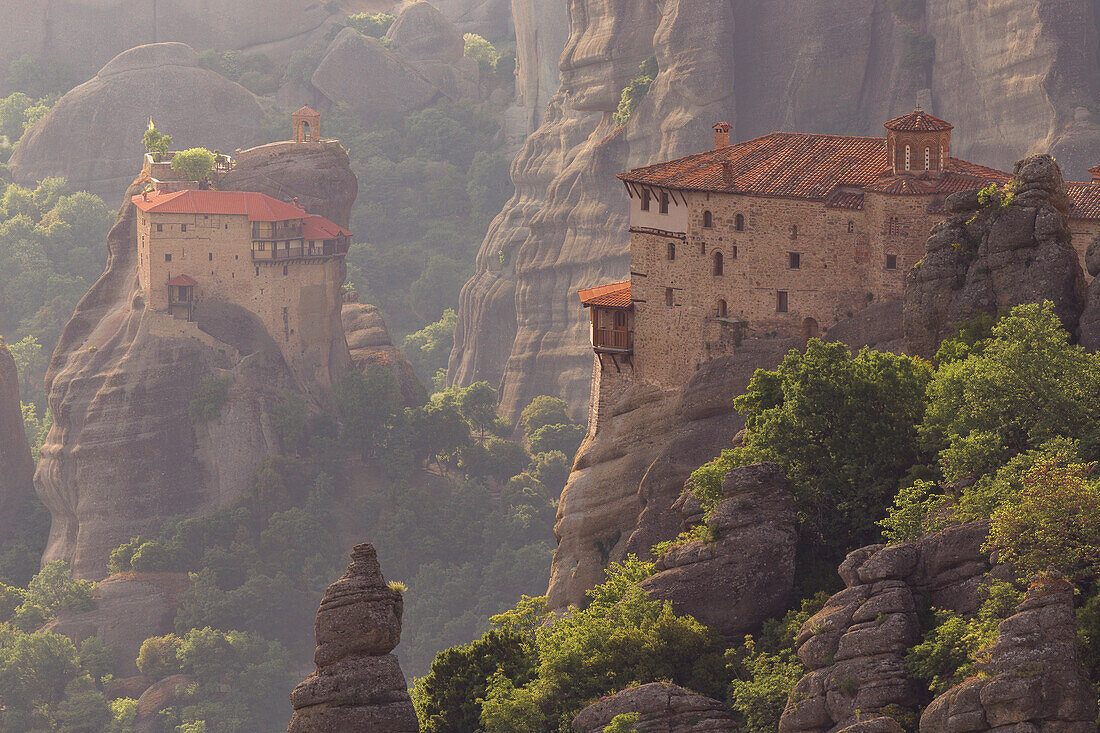
Meteora merits a visit for travelers seeking UNESCO heritage sites combining natural geology with active monastic life. Six monasteries remain accessible to the public, each charging a 5 EUR conservation fee and requiring climbs of approximately 300 steps. The clifftop complex opens daily from 09:00 to 17:00, with optimal arrival between 09:00 and 10:30 to avoid coach groups and midday heat across exposed pathways.
The Meteora rock formations began as a river delta 60 million years ago, compressed into conglomerate towers that now shelter working monasteries built between the 14th and 16th centuries. Monks originally ascended via rope ladders and nets; modern visitors face stone staircases carved into the cliffs. Whether Meteora justifies its place on your Greece itinerary depends on three factors: mobility, interest in Orthodox monastic culture, and tolerance for remote destinations. The site sits 350 kilometers northwest of Athens — a four-hour drive through Thessaly — with limited public transport and no direct rail link. Once in Kalabaka, the gateway town, accessing the monasteries requires either a rental car, organized tour, or taxi, as the complex sprawls across multiple peaks with no pedestrian circuit connecting all six active sites. The experience centers on architectural persistence rather than museum curation. Frescoes dating to the 15th century cover interior walls, many restored but some showing centuries of smoke damage from liturgical candles. Monastic communities still occupy these spaces; visitors navigate around prayer schedules and strict dress codes enforced at entry. Each monastery maintains independent operating procedures, and not all six open simultaneously on any given day. The conservation fee structure reflects this decentralization — 5 EUR per monastery per person, paid in cash at individual entrances, with no multi-site pass available. Most visitors tour two to three monasteries in a half-day window, making the total outlay 10 to 15 EUR before transport and meals. The vertical geography matters: each monastery requires a separate ascent, and the staircases lack handrails in many sections. Visitors with knee issues or cardiovascular concerns should assess the physical commitment before arrival. Meteora's value emerges in its fusion of geological accident and human ambition. The monasteries function as active religious sites first and tourist attractions second, which means limited English signage, no climate control, and photography restrictions inside chapels. The surrounding landscape offers sweeping views across the Pindus foothills, particularly from the terrace at Great Meteoron, but the site rewards those who arrive with clear expectations about access, effort, and the monastic rhythm that still governs daily life on these ancient pillars.
“The monasteries function as active religious sites first and tourist attractions second, which means limited English signage, no climate control, and photography restrictions inside chapels.”
When Is Meteora Worth Visiting: Timing Your Trip for Success
The best arrival window is 09:00–10:30, which allows visitors to enter the site before peak coach group arrivals and bypass the most intense afternoon heat. Visiting during shoulder seasons provides the most temperate conditions for exploring the elevated terrain.
Weekday mornings
Minimal crowds—
Arriving early provides the quietest access before tour buses arrive.
April–May
ModerateMild with temperatures 15°C–22°C
Spring offers blooming landscapes and manageable temperatures for climbing the 300 steps.
June–August
HighHot with temperatures 28°C–35°C
Summer heat is intense; early morning arrival is necessary to minimize sun exposure.
September–October
ModeratePleasant with temperatures 18°C–25°C
Autumn provides clear skies and cooler air, making the ascent to the monasteries more comfortable.
Verdict: The optimal experience occurs Tuesday to Thursday, arriving at 09:00, during the months of April, May, September, or October.
Is Meteora Worth Visiting During Standard Opening Hours?
The monasteries in Meteora maintain a consistent operating schedule throughout the week to facilitate visitor access. All monasteries remain open daily, including weekends, to accommodate travel planning.
| Monday | 09:00–17:00 | |
|---|---|---|
| Tuesday | 09:00–17:00 | |
| Wednesday | 09:00–17:00 | |
| Thursday | 09:00–17:00 | |
| Friday | 09:00–17:00 | |
| Saturday | 09:00–17:00 | |
| Sunday | 09:00–17:00 |
Is Meteora Worth Visiting Given the Current Entrance Fees?
Access to the monastic site is managed via a conservation fee. This charge is collected individually by each monastery you choose to enter.
A typical adult pays 5 EUR per monastery, with the total cost depending solely on the number of individual monasteries visited.
Logistics: Is Meteora Worth Visiting from Athens?
Meteora is located near the town of Kalabaka in central Greece. The most common approach for visitors is via train from Athens or by private vehicle along the national motorway network.
Athens Larissa Station to Kalabaka Station
E75 and E92 motorways toward Kalabaka
Local transfer from Kalabaka to monastery base
Monastery access paths from the main road
What You See When Meteora Is Worth Visiting
Meteora is defined by six active Eastern Orthodox monasteries perched atop sandstone pillars. These structures feature vertical architecture that integrates directly into the natural rock formations.
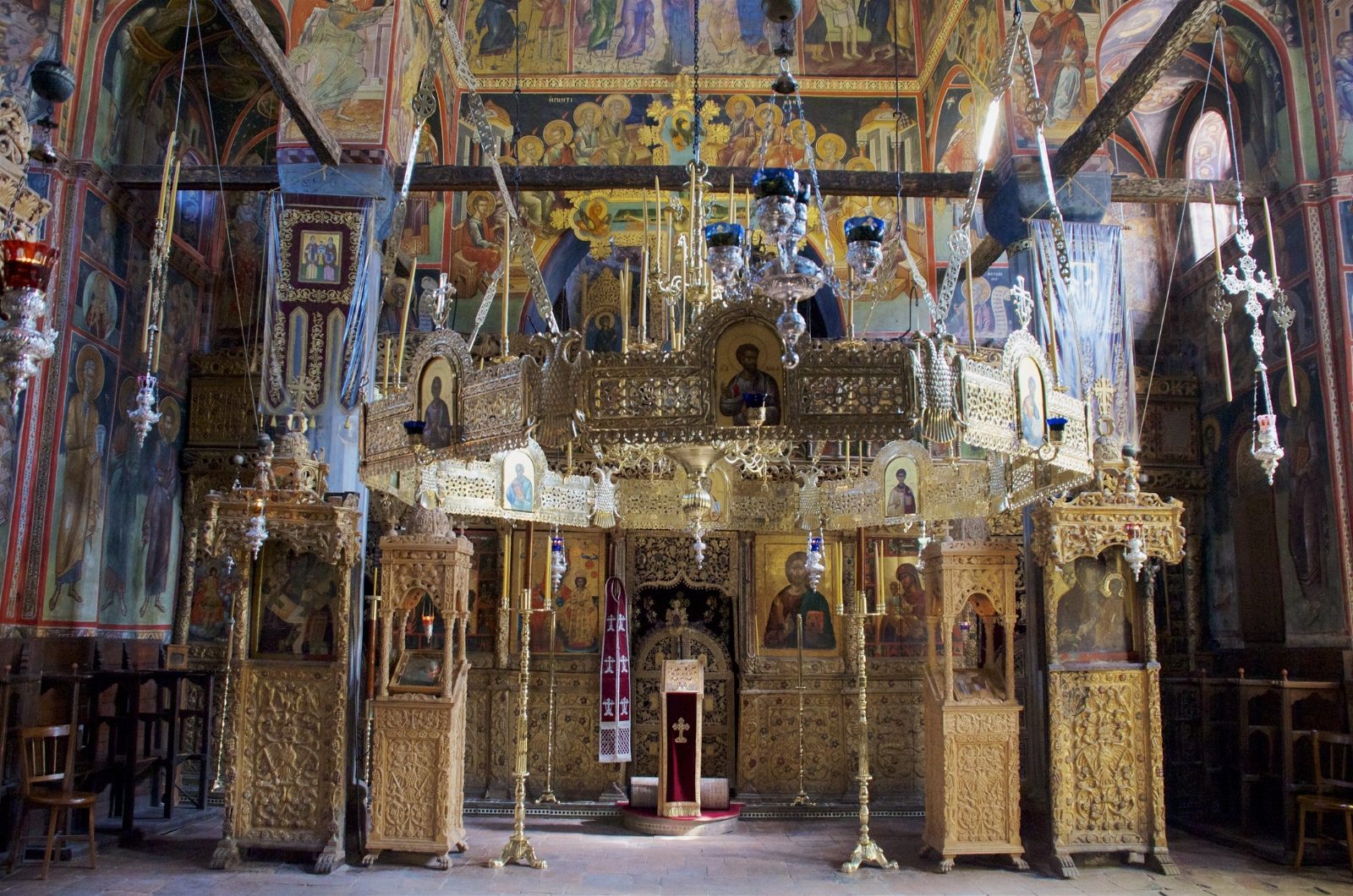
Great Meteoron Monastery
The largest and oldest monastery, featuring the main catholicon with 16th-century frescoes and a historic kitchen.
Visit the small museum of old tools early for fewer crowds.
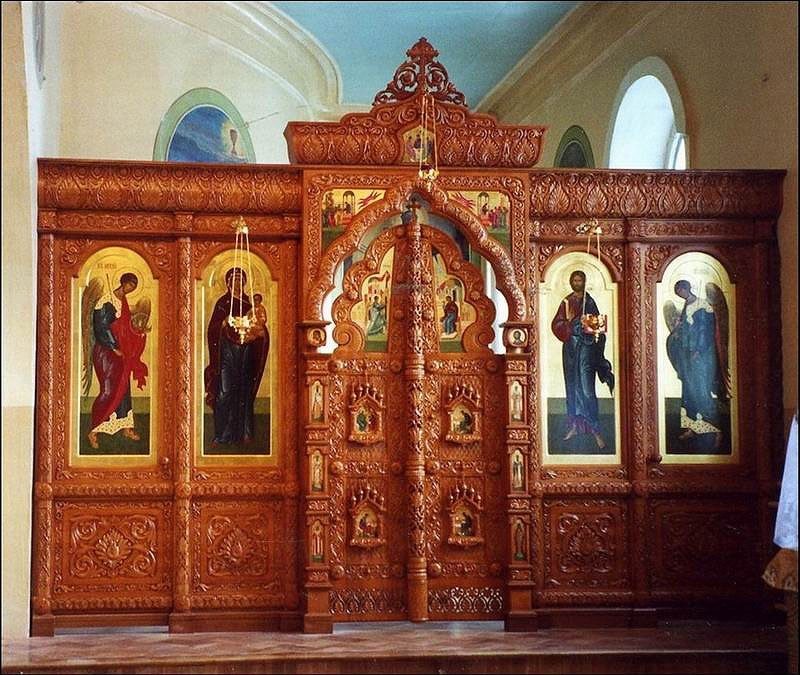
Varlaam Monastery
Known for its historic net-lifting tower and a barrel-vaulted catholicon dedicated to All Saints.
View the intricate wood-carved iconostasis in the main church.
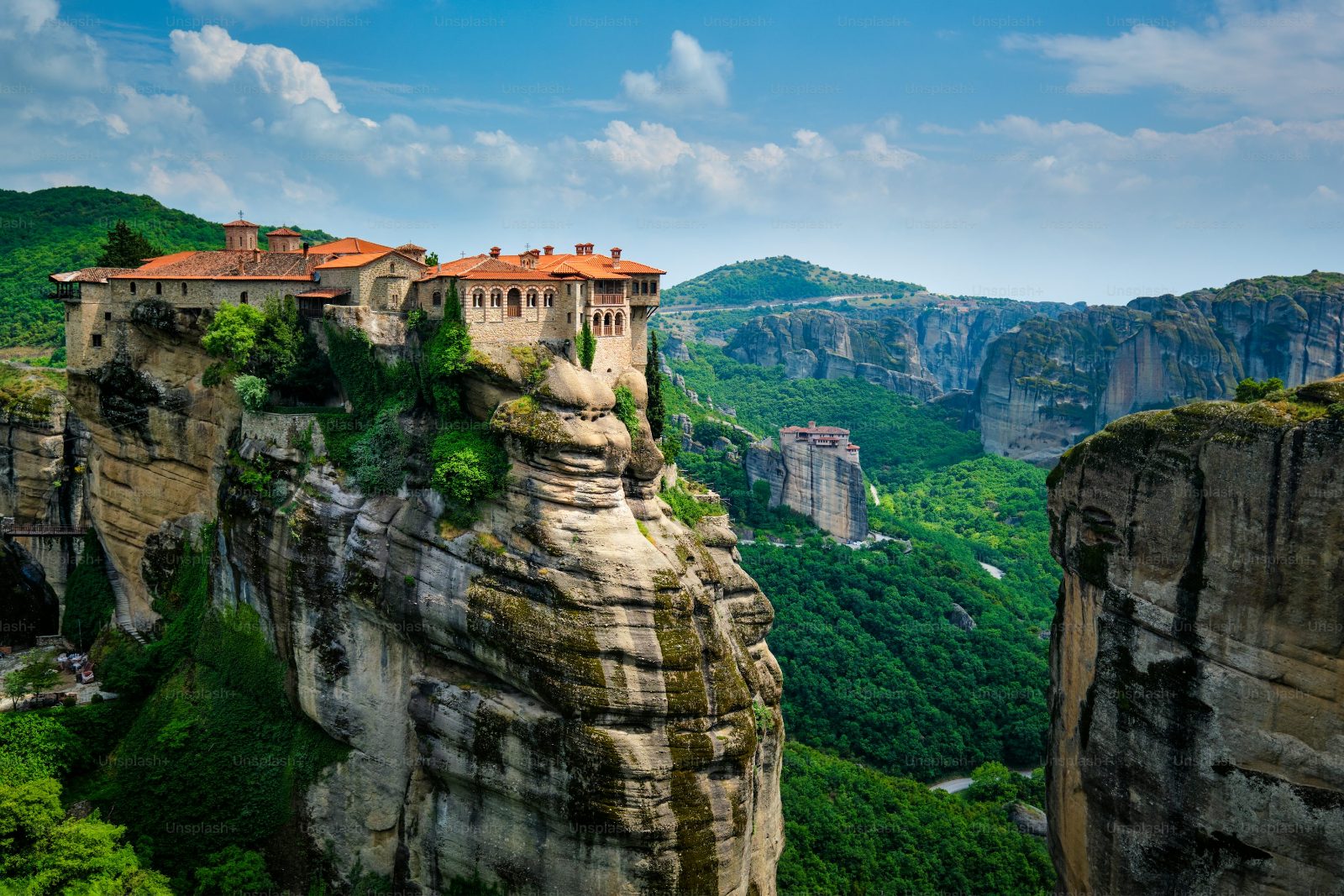
Holy Monastery of Rousanou
A smaller, three-level complex that offers a distinct vertical perspective of the surrounding rock towers.
Walk the stone bridge connecting the rock mass to the entrance.
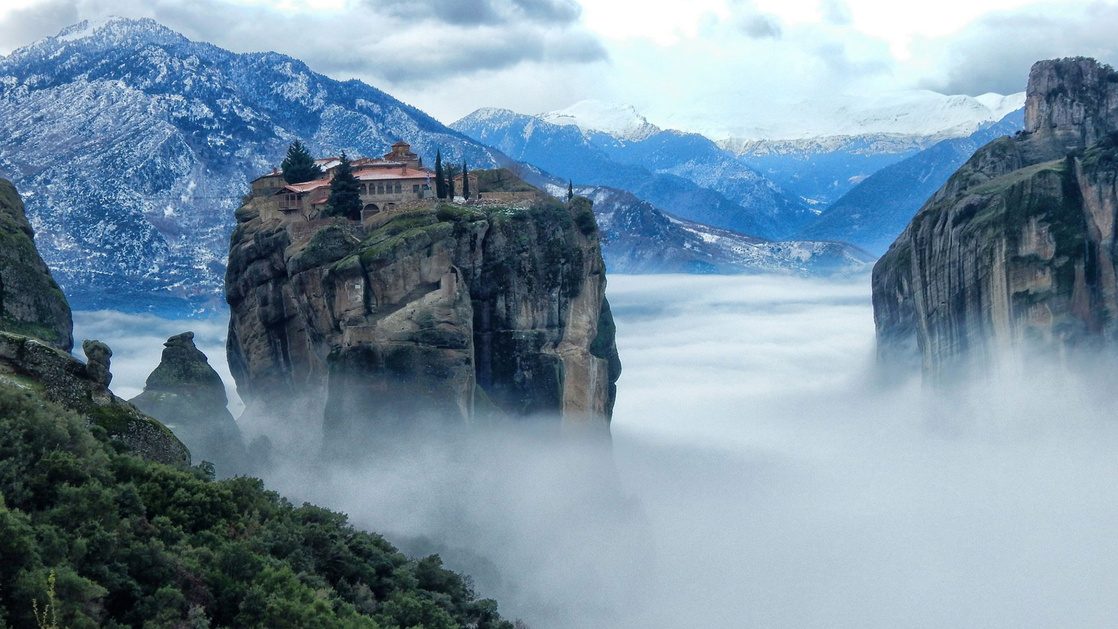
Holy Trinity Monastery
Famous for its isolated position on a sheer cliff, requiring visitors to navigate the 300 steps.
Observe the valley floor from the edge of the stone terrace.
Is Meteora Worth Visiting While Respecting Local Rules?
The monasteries are active places of worship with strict codes of conduct. Dress modestly and observe photography restrictions to ensure access and show respect.
Do
- Cover shoulders and knees before entering any monastery
- Carry a shawl or long trousers if wearing shorts
- Ask permission before photographing monks or religious ceremonies
- Maintain silence inside chapels and prayer areas
- Follow directional signs and roped-off pathways in each complex
Don't
- Don't enter wearing sleeveless tops, short skirts, or revealing clothing
- Don't photograph inside chapels or during active services
- Don't use flash photography near frescoes or religious icons
- Don't touch painted surfaces, relics, or religious artifacts
- Don't eat, drink, or speak loudly within monastery buildings
Check availability
Frequently Asked Questions About Visiting Meteora
Everything you need to know about is meteora worth visiting